Relationships First for Change that makes and Impact
I’m working on a project with NWADASS and SCIE on a Rayne Foundation project. We are seeking to understand the conditions or enablers that support social care workers to have a good experience at work and how in turn that supports attraction, recruitment and retention into adult social care.
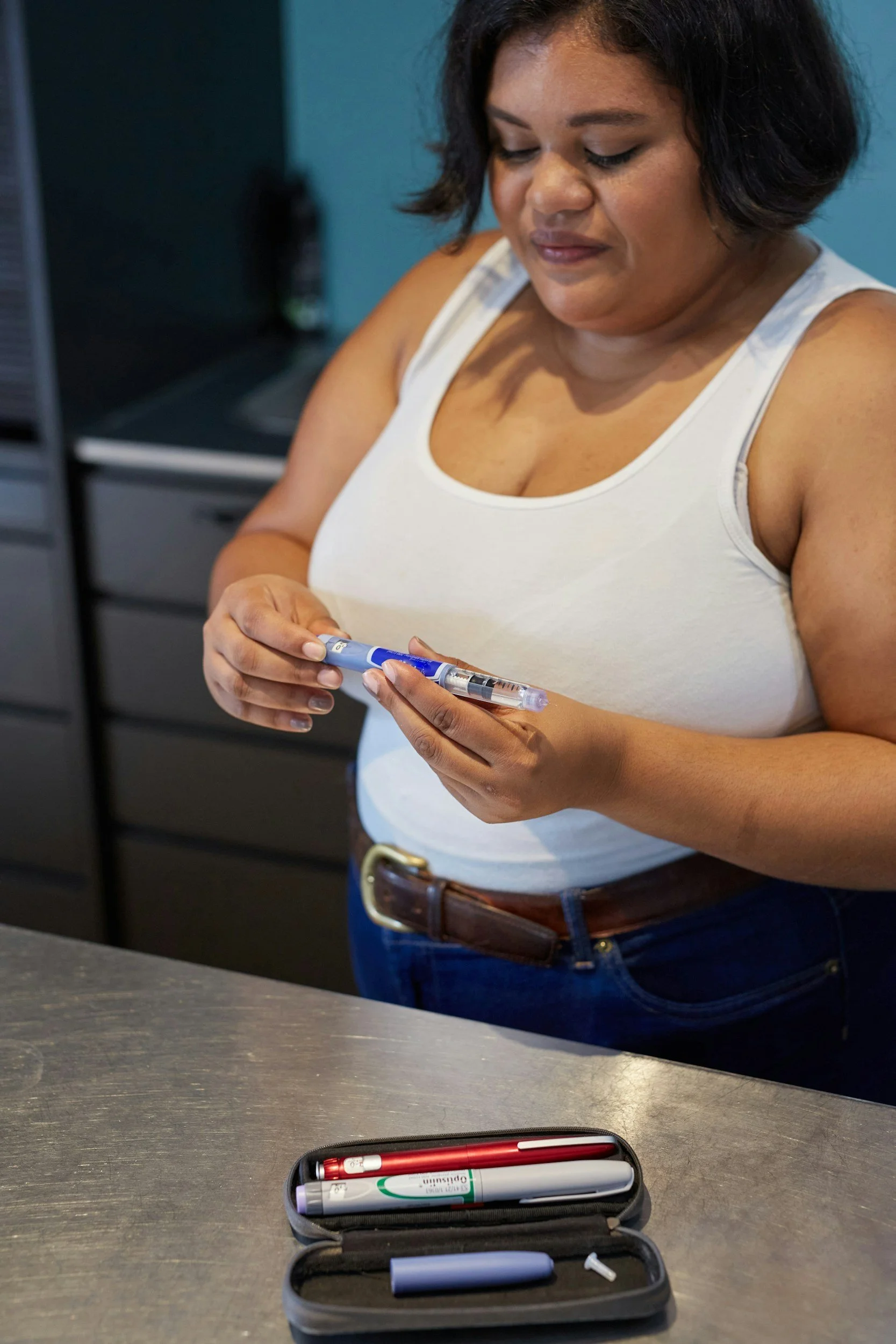
The lens which we are focusing on is blended roles in Tameside, Greater Manchester – or what you might have heard of as delegated healthcare. This is a model of care where care workers are trained and supported to take on some of the more care-related tasks that a District nurse might have previously done – like wound care, or assessing for pressure sores and administering insulin. By honing in on a specific area of transformation we are looking to unlock the learning that will help other councils to successfully implement examples of transformation and innovation that have a positive impact on workforce morale.
I first worked with Tameside to capture the learning about blended roles two years ago. I used this learning to develop a NWADASS resource to share the learning and help other councils to navigate change – https://www.nwadass.org.uk/workforce-integrated-blueprints
Two years later, I have the privilege of being back to understand where the journey has taken Tameside and to think about how we might help and support others to make progress with blended roles (delegated healthcare). I work with adult social care systems nationally and have lost count of the number of times I’ve heard places saying that delegated healthcare is too hard to do, too dangerous to do or where there is an unwillingness to try them without a fully worked out cost benefit analysis. What fascinates me is that Tameside managed to cut through all of this. Blended roles are working – in spite of a significant number of organisational and personnel changes happening around them. So what is it that Tameside are doing that others can learn from?
I’m early on into my enquiry but already what continues to shine through is what shone through 2 years ago – relationships matter. Get the relationships right and the rest follows. The energy and dedication that I see in Tameside that goes into building trusting relationships between colleagues working in different parts of the adult social care system – commissioners, providers, care staff, district nurses, project leads – is impressive. Someone I spoke to just the other day summed it up beautifully “it’s getting the chemistry right between people that has taken this project forward in leaps and bounds”.
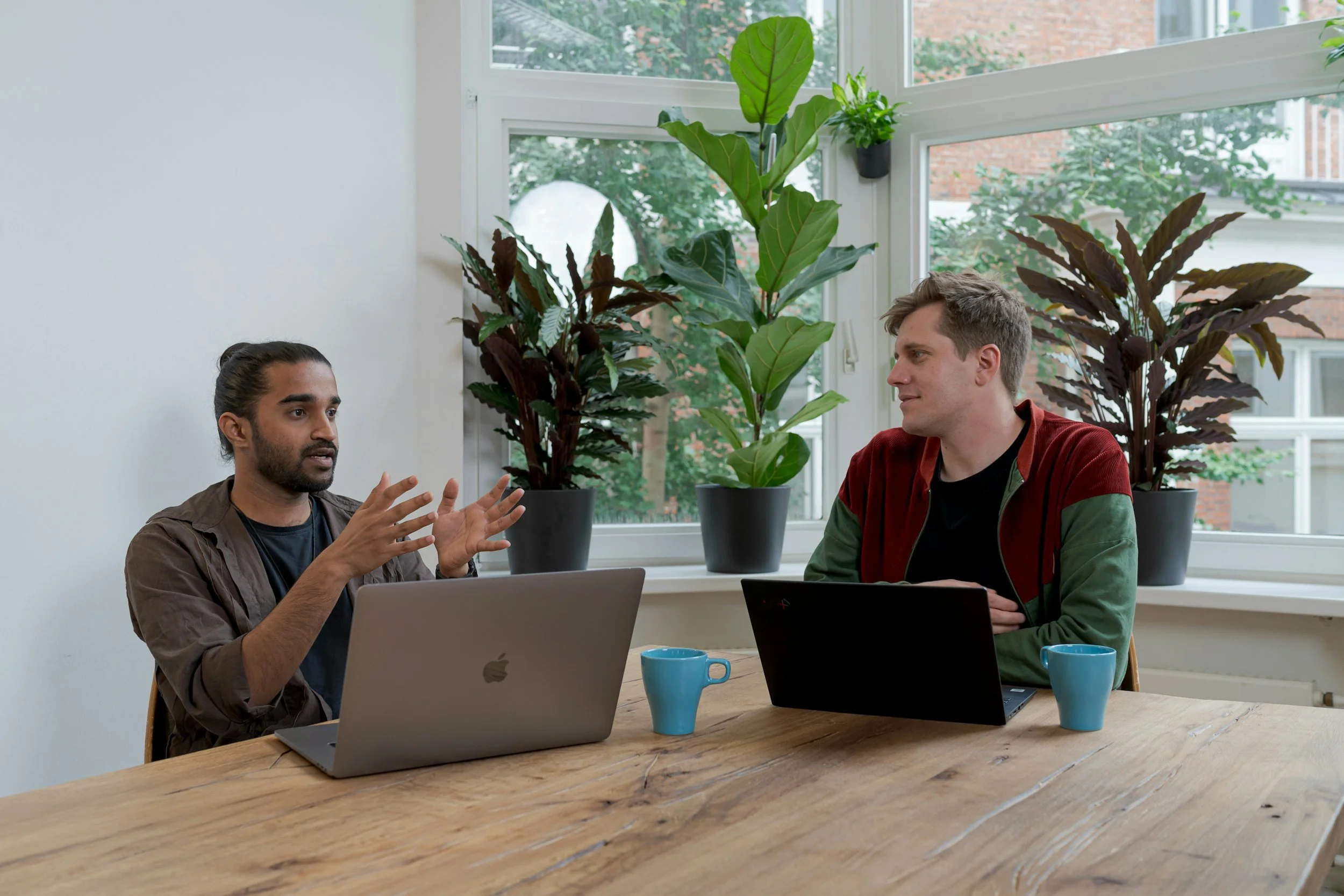
And there are numerous examples that bring this to life, for example, the enthusiasm of new providers who have had chance to sit down and chat with commissioners and the district nurse who is the blended roles facilitator, to take on blended roles versus the nervousness from those providers who haven’t had chance to do this yet. Or how more confident and valued care workers feel because they are able to pick up the phone and talk with the local district nurse. Or the great team work that’s happening across the operational leads in the council and the NHS foundation trust.
As we move towards neighbourhood models of working across social care and health there is some important learning to draw on about the power of relationships.
“ “it’s getting the chemistry right between people that has taken this project forward in leaps and bounds”.”
So why is it, I’m asking myself, that so many change programmes pay so little attention to the importance of relationships? Informal relationship building isn’t a nice to have, it’s a fundamental part of any human-centred delivery model. You can have as many business cases, cost projections, cost-benefit analyses, risk registers and gant charts as you like (and I’m not saying these don’t have a place) but if you don’t get the relationships right between the people who need to collaborate to make change happen, then change aint going to happen.
This makes me think about:
· How do we help people to recognise the importance of relationships?
· What permissions people need (from others or themselves) to invest time building positive relationships across the systems that they work in?
· How do we help people to become more deliberate in carving time out of punishing schedules of back to back on-line meetings, to spend time more informally working with others?
And
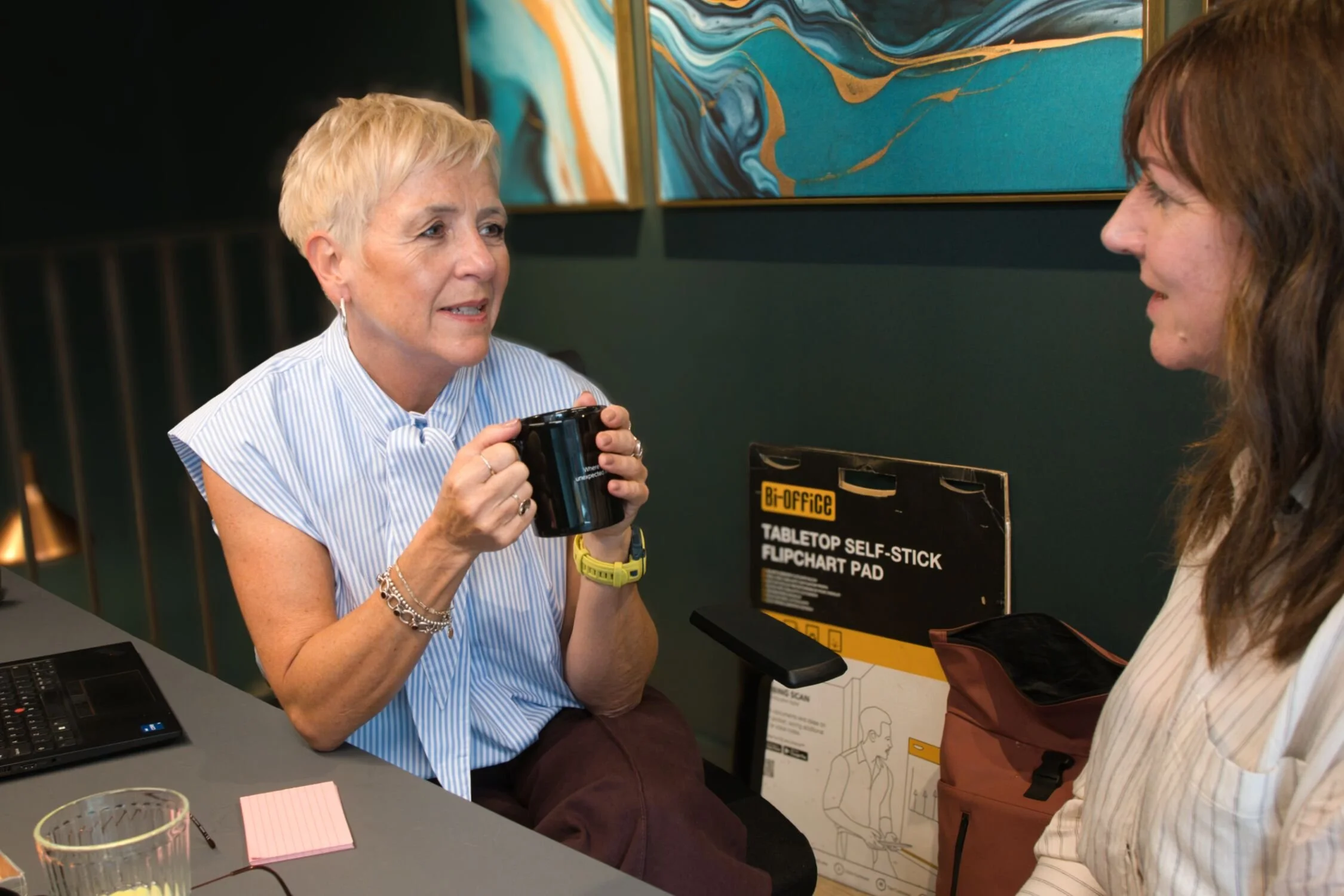
· If colleagues in Tameside are right (and I’m pretty certain that they are) and there’s nothing quite like sitting down with a brew to talk informally and safely about what really is worrying or challenging us, and how we might work together to navigate through it, then where and how do we make time and space to do this?
I’ll be sharing more insights like this as I continue to work on this project and unlock the learning